.png)
Should You be Worried About West Nile Virus?

A little bit, yeah. Mosquitoes carrying West Nile virus have been detected in several parts of metro Atlanta. Most infections cause no illness, but the risk of serious complications does rise with age.
By Randall BloomquistNext30ATL
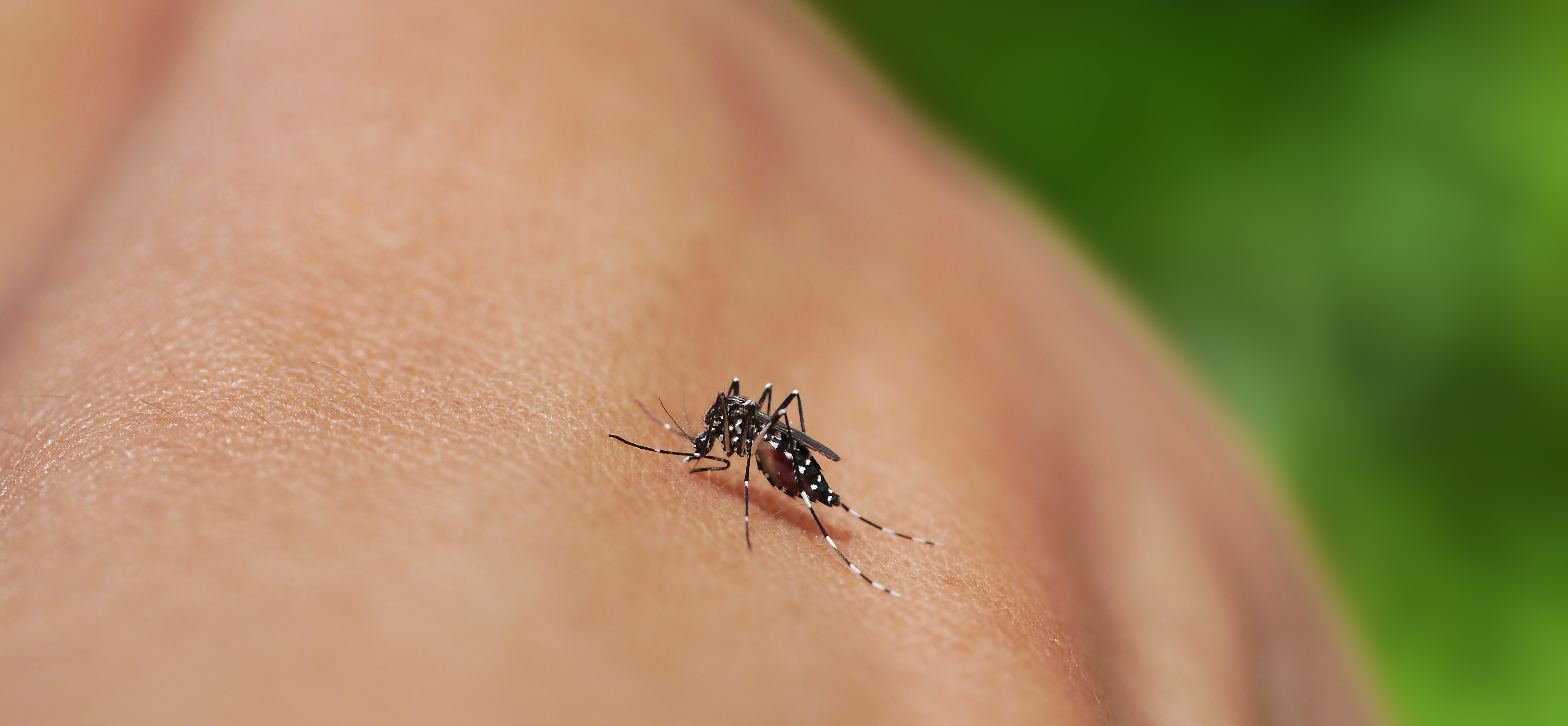
The modern world seems determined to provide us with an endless stream of things to worry about. Today's offering: West Nile virus. Fortunately, this one requires just a little bit of your fretfulness bandwidth.
Mosquitoes collected at Roswell Area Park and Garrard Landing Park have tested positive for West Nile virus, prompting Fulton County health officials to spray areas surrounding both parks.
During this summer's surveillance, infected mosquitoes have also been detected in parts of Atlanta, DeKalb County and South Fulton. That doesn't mean metro Atlanta is experiencing an epidemic — or that visiting a park is particularly dangerous.
But it does mean West Nile virus is circulating in mosquitoes around the region at exactly the time of year when cases typically peak. For adults over 50 — and especially those over 65 — that's worth noting.
Most people never get sick
Here's the reassuring part.
About 80% of people infected with West Nile virus develop no symptoms at all, according to the Centers for Disease Control and Prevention. Roughly 20% develop an illness that can include fever, headache, body aches, joint pain, vomiting, diarrhea or a rash. Most recover completely, although fatigue and weakness can linger.
Serious illness is uncommon. Fewer than 1% of infected people develop disease affecting the brain or nervous system, including encephalitis or meningitis.
But age changes the odds. The CDC says people 65 and older are about three times as likely to develop neurologic illness from West Nile as people younger than 65. Among people who become infected, CDC estimates suggest roughly 2% of those 65 and older develop neuroinvasive disease, compared with less than 0.5% of people under 65. People 70 and older who become ill are also much more likely to require hospitalization.
Risk is also higher for people with certain medical conditions, including cancer, diabetes, high blood pressure and kidney disease, as well as people with weakened immune systems or taking some immune-suppressing medications.
That makes West Nile particularly relevant to Next30ATL readers who are older themselves or checking on parents in their 70s, 80s or 90s.
Know the symptoms that require quick attention
Most mosquito bites obviously don't require a call to the doctor. But certain symptoms do.
Seek prompt medical attention for high fever, severe headache, neck stiffness, confusion, disorientation, tremors, seizures or unusual muscle weakness, particularly following mosquito exposure.
Severe West Nile disease can involve the brain and spinal cord and sometimes causes paralysis. Recovery can take weeks or months, and some neurological effects can be permanent.
There is currently no licensed human vaccine for West Nile and no medication that specifically treats the infection. Treatment for serious disease is supportive and often requires hospitalization.
That makes prevention particularly important.
The best defense is surprisingly low-tech
You don't need to stop gardening, playing golf or taking evening walks.
But you should make it harder for mosquitoes to bite you.
The CDC recommends using an EPA-registered insect repellent, wearing loose-fitting long sleeves and pants when practical and making sure window and door screens are intact.
The mosquitoes that commonly spread West Nile are particularly active from dusk through dawn, so people at increased risk may want to be more careful about extended outdoor activities during those hours.
Around the house, eliminate standing water. Think beyond an obvious stagnant puddle.
Check flowerpots and saucers, buckets, birdbaths, clogged gutters, tarps, children's toys and other containers that collect rainwater. Fulton County health officials specifically recommend routinely draining these mosquito-breeding sites.
This isn't just a Roswell issue
The latest alert involves Roswell, but positive mosquito surveillance has appeared elsewhere around metro Atlanta this summer.
According to local health reports, positive traps have previously been identified in Grant Park in Atlanta; portions of DeKalb, including areas around Redan, Doraville, Brookhaven, Chamblee and North Druid Hills; and South Fulton.
Georgia sees West Nile activity regularly. The Georgia Department of Public Health recorded 102 reported human West Nile cases statewide from 2020 through 2024.
Mosquito surveillance is intended partly to give communities an early warning that infected mosquitoes are present before large numbers of people become sick.
If you're checking on an older parent, check the yard too
For Next30ATL readers helping aging parents, West Nile prevention can become part of the ordinary household safety check.
When you visit, walk around the property. Empty standing water. Check screens. Look at gutters. Make sure Mom has insect repellent she can easily find and use. If she enjoys sitting on the patio every evening, talk about mosquito activity after dusk.
And if a parent is undergoing cancer treatment, has received an organ transplant, takes medication that suppresses the immune system or has other significant chronic conditions, ask the physician whether additional precautions make sense.
None of this requires panic. Agaqin, the overwhelming majority of people infected with West Nile never become seriously ill.
But for older Atlantans, the consequences of the uncommon serious cases can be substantial.
That's a good reason to treat mosquito protection as more than a summertime nuisance.
Sometimes the simplest healthy-aging intervention is also the least glamorous:
Use the bug spray.


Comments